
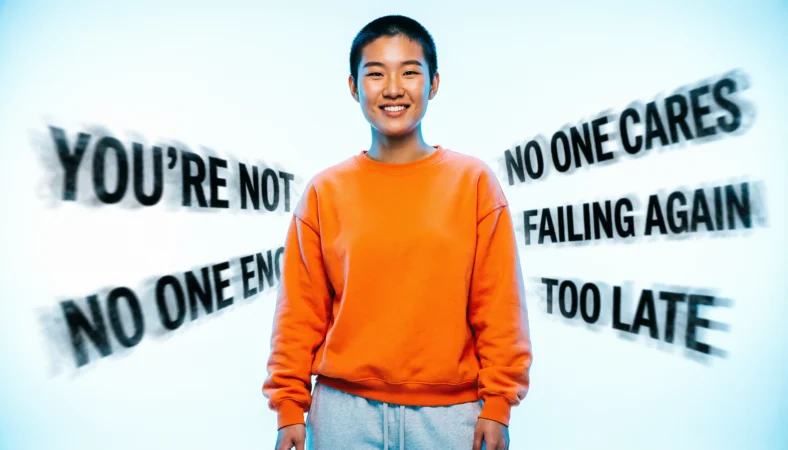
When someone calls you a loser, the best response is calm, confident, and a little witty. You don’t need to argue or prove anything. A smart comeback keeps your dignity while flipping the energy in your favor.
Top alternatives: “Good thing your opinion isn’t my personality”, “I’d rather be a loser than miserable”, “That all you got?”, “Stay pressed”, “I’m doing just fine, thanks.”
Let’s be real. Whether it happens in a group chat, at school, at work, during gaming, or in some random DM, being called a loser can hit a nerve. Sometimes it’s meant as a joke. Sometimes it’s not. And in that split second, your response decides whether the moment gets awkward, heated, or iconic.
Knowing how to respond when someone calls you a loser is less about winning an argument and more about owning your confidence. The right reply can shut down negativity, show emotional intelligence, or even turn the situation funny enough that everyone moves on. Instead of freezing or overreacting, you’ll have go to responses ready for every mood and setting.
Funny Responses
“Dang, I didn’t know we were giving out awards today.”
Example: Use this when someone tries to tease you in front of others.
Meaning: You turn the insult into a joke so it loses power.
“Do I at least get a trophy?”
Example: Great for lighthearted situations with friends.
Meaning: You show you are not taking the comment seriously.
“Wow, and here I thought I was thriving.”
Example: Use when someone exaggerates criticism.
Meaning: You respond with playful sarcasm.
“Put that on my resume.”
Example: Perfect in casual banter.
Meaning: You mock the idea that their opinion matters professionally.
“Cool, I’ll add that to my list of talents.”
Example: When someone is clearly fishing for a reaction.
Meaning: You refuse to give them emotional payoff.
“Is this peer reviewed or just vibes?”
Example: Great among students or coworkers.
Meaning: You humorously question their credibility.
“Breaking news: I survived your opinion.”
Example: Use when someone is being dramatic.
Meaning: You minimize their words with humor.
“You practiced that line, didn’t you?”
Example: Good for playful clapbacks.
Meaning: You make their insult feel rehearsed and weak.
“At least I’m consistent.”
Example: Use when joking with friends.
Meaning: You lean into humor instead of defending yourself.
“Tell me something I don’t know.”
Example: Great for deflecting teasing energy.
Meaning: You show comfort with yourself.
“That’s the best you came up with?”
Example: Use when you want to stay light but confident.
Meaning: You signal their insult lacked impact.
“Ouch. I’ll never recover from that.”
Example: Say this with obvious exaggeration.
Meaning: You sarcastically show it didn’t hurt.
“Guess I’ll cancel my victory parade.”
Example: Perfect in group settings.
Meaning: You mock the negativity.
“Let me write that in my diary.”
Example: When you want a playful shutdown.
Meaning: You treat the comment as trivial.
“I was aiming for mysterious, but okay.”
Example: Good when the insult feels random.
Meaning: You redirect the narrative humorously.
Wild Responses
“If I cared about your opinion, I’d ask for it.”
Example: Use when someone is openly disrespectful.
Meaning: You set a firm boundary.
“You don’t know enough about me to judge me.”
Example: When someone speaks without context.
Meaning: You reclaim control of the narrative.
“Say something useful next time.”
Example: When you want to end the conversation quickly.
Meaning: You dismiss the insult as pointless.
“Confidence must be intimidating for you.”
Example: Use when they seem threatened.
Meaning: You flip insecurity back onto them.
“I’m not losing anything by ignoring you.”
Example: When disengaging is best.
Meaning: You show emotional detachment.
“Your negativity says more about you.”
Example: Good for calm but sharp responses.
Meaning: You refuse to internalize the insult.
“Try harder.”
Example: When you want a short, cutting reply.
Meaning: You signal their jab failed.
“That sounded better in your head, huh?”
Example: Use when they attempt to embarrass you.
Meaning: You undermine their confidence.
“I’m still winning at being myself.”
Example: Great for confident delivery.
Meaning: You affirm self worth.
“You done?”
Example: When ending nonsense quickly.
Meaning: You show you are unbothered.
“I don’t compete where I don’t care.”
Example: Use in confrontational settings.
Meaning: You reject their framework entirely.
“That insult expired in 2005.”
Example: Perfect when they sound immature.
Meaning: You call out the lack of originality.
“Grow up.”
Example: Best when you want firm closure.
Meaning: You demand maturity.
“I’m not the one struggling here.”
Example: Use when someone projects negativity.
Meaning: You refuse their label.
“You don’t define me.”
Example: Strong response to repeated insults.
Meaning: You assert independence.
Confident Responses
“I’m actually proud of where I am.”
Example: Use when staying calm and grounded.
Meaning: You show self assurance.
“I like my life, and that’s enough.”
Example: Great for shutting down judgment.
Meaning: Happiness is your metric.
“I measure success differently.”
Example: In conversations about life choices.
Meaning: You redefine winning.
“I’m good, trust me.”
Example: Casual but self assured.
Meaning: You don’t need validation.
“Not everyone has to understand my path.”
Example: When facing criticism.
Meaning: You embrace individuality.
“I know who I am.”
Example: Short and powerful reply.
Meaning: Identity comes from within.
“I’m focused, not lost.”
Example: Use when someone misunderstands your journey.
Meaning: You correct assumptions confidently.
“Different doesn’t mean losing.”
Example: Great for perspective shifts.
Meaning: You challenge narrow thinking.
“I’m doing better than you think.”
Example: Calmly correcting someone.
Meaning: You quietly assert success.
“I’m exactly where I need to be.”
Example: Use during life comparisons.
Meaning: You trust your timeline.
“Success isn’t loud all the time.”
Example: When people judge appearances.
Meaning: Growth can be quiet.
“I’m building something real.”
Example: Great for ambition focused replies.
Meaning: You value long term goals.
“I don’t rush progress.”
Example: When criticized for pace.
Meaning: You prioritize growth over approval.
“I’m comfortable being underestimated.”
Example: Strategic confidence moment.
Meaning: You turn doubt into motivation.
“Watch me prove that wrong.”
Example: When you want motivation energy.
Meaning: You convert insult into drive.
Chill And Casual Responses
“Alright.”
Example: When you refuse to engage.
Meaning: Total emotional neutrality.
“If you say so.”
Example: Great for ending the topic.
Meaning: You don’t argue.
“Cool story.”
Example: Use in passing remarks.
Meaning: You dismiss without drama.
“Okay.”
Example: Minimal effort response.
Meaning: You give no reaction.
“That’s your opinion.”
Example: Calm acknowledgment.
Meaning: You separate their view from reality.
“Anyway…”
Example: Use to redirect conversation.
Meaning: You move on instantly.
“I’m not worried.”
Example: Casual reassurance.
Meaning: You stay relaxed.
“Life goes on.”
Example: When shrugging it off.
Meaning: It’s not important.
“We all see things differently.”
Example: Non confrontational reply.
Meaning: You keep peace.
“Doesn’t change my day.”
Example: Use when staying unaffected.
Meaning: Their words hold no weight.
“I’ll survive.”
Example: Lighthearted dismissal.
Meaning: You’re unbothered.
“Noted.”
Example: Quick workplace safe reply.
Meaning: You acknowledge but don’t engage.
“You good now?”
Example: When ending tension.
Meaning: You signal closure.
“I’m still smiling.”
Example: Calm positivity.
Meaning: Negativity didn’t land.
“Let’s talk about something else.”
Example: Redirecting energy.
Meaning: You control the vibe.
Polite Responses
“I don’t see myself that way.”
Example: Respectful disagreement.
Meaning: You maintain dignity.
“I’d appreciate more kindness.”
Example: When setting a boundary.
Meaning: You ask for respect.
“Let’s keep things respectful.”
Example: In professional environments.
Meaning: You reinforce civility.
“That was unnecessary.”
Example: Calm correction.
Meaning: You call out behavior without escalation.
“We can disagree without insults.”
Example: During arguments.
Meaning: You encourage maturity.
“I’m working on my goals.”
Example: When misunderstood.
Meaning: You clarify intentions.
“Everyone’s journey is different.”
Example: Perspective based response.
Meaning: You normalize differences.
“I wish you the best too.”
Example: Graceful disengagement.
Meaning: You exit politely.
“Let’s move forward.”
Example: Ending tension.
Meaning: You choose resolution.
“I don’t take that personally.”
Example: Calm acknowledgment.
Meaning: You protect your peace.
“I’m focused on improving myself.”
Example: Growth centered reply.
Meaning: You prioritize development.
“We all have struggles.”
Example: Humanizing moment.
Meaning: You bring empathy.
“I’d rather stay positive.”
Example: Tone reset.
Meaning: You reject negativity.
“Thanks for your perspective.”
Example: Professional deflection.
Meaning: You close discussion diplomatically.
“Let’s keep it constructive.”
Example: Work or group settings.
Meaning: You demand useful dialogue.
Sarcastic Responses
“Oh no, how will I ever continue living?”
Example: When exaggeration fits the moment.
Meaning: You mock the insult dramatically.
“You just changed my whole life.”
Example: Use with obvious sarcasm.
Meaning: Their words had zero impact.
“I’ll alert the media.”
Example: Great in group banter.
Meaning: You make it sound ridiculous.
“Such insight. Truly groundbreaking.”
Example: When they think they’re clever.
Meaning: You undercut their confidence.
“Let me guess, you rehearsed that?”
Example: Calling out forced insults.
Meaning: You make it feel staged.
“Wow, original.”
Example: When hearing cliché insults.
Meaning: You criticize their creativity.
“I’m devastated. Absolutely devastated.”
Example: Delivered playfully.
Meaning: You signal zero emotional damage.
“Do you offer life coaching too?”
Example: Use when they act superior.
Meaning: You challenge their authority.
“Thank you for that TED Talk.”
Example: When they lecture you.
Meaning: You humorously dismiss them.
“I’ll take that under advisement.”
Example: Professional sarcasm.
Meaning: You don’t care.
“Noted by absolutely nobody.”
Example: Casual clapback.
Meaning: Their opinion lacks value.
“Adding that to my list of things I ignore.”
Example: Playful dismissal.
Meaning: You reject the comment.
“You must be fun at parties.”
Example: When they’re being negative.
Meaning: You call out their attitude.
“That was adorable.”
Example: Light sarcastic jab.
Meaning: You belittle the insult.
“Mission failed.”
Example: When they try to offend you.
Meaning: Their attempt didn’t work.
Clever Responses
“Labels are lazy thinking.”
Example: Thoughtful comeback.
Meaning: You challenge shallow judgment.
“Define losing.”
Example: Turning it into reflection.
Meaning: You question their premise.
“I’m learning, not losing.”
Example: Growth mindset reply.
Meaning: You reframe failure positively.
“Progress doesn’t always look impressive.”
Example: When misunderstood.
Meaning: You highlight hidden growth.
“Every expert started somewhere.”
Example: Motivational response.
Meaning: You normalize beginnings.
“I value growth over approval.”
Example: Confident reflection.
Meaning: You prioritize development.
“You’re measuring the wrong things.”
Example: When judged unfairly.
Meaning: You shift the criteria.
“Failure is data.”
Example: Smart, modern mindset reply.
Meaning: You treat setbacks as learning.
“I’m experimenting, not failing.”
Example: Creative fields especially.
Meaning: You embrace trial and error.
“Winning isn’t always visible.”
Example: Perspective driven reply.
Meaning: Success can be internal.
“Comparison isn’t my strategy.”
Example: When facing competition talk.
Meaning: You reject unhealthy metrics.
“I’m building, not performing.”
Example: Long term mindset moment.
Meaning: You value substance over appearance.
“Growth looks messy sometimes.”
Example: Honest response.
Meaning: Progress is not linear.
“Different timeline, same destination.”
Example: Encouraging reply.
Meaning: Everyone moves at their own pace.
“I’m investing in myself.”
Example: Strong personal focus.
Meaning: You see value in your journey.
Playful Responses
“If I’m a loser, I’m at least a happy one.”
Example: Light teasing environment.
Meaning: You stay upbeat.
“Can I still have snacks though?”
Example: Silly deflection.
Meaning: You keep it fun.
“I thought we were roasting, not judging.”
Example: Among friends.
Meaning: You reset tone to playful.
“I’ll bounce back after my nap.”
Example: Casual humor moment.
Meaning: You don’t take it seriously.
“I prefer the term ‘under construction.’”
Example: Positive spin reply.
Meaning: You highlight growth.
“Hey, I’m trying my best out here.”
Example: Said jokingly.
Meaning: You humanize yourself.
“Let me have my main character arc.”
Example: Social media style humor.
Meaning: You frame life as a story.
“Plot twist: I’m doing great.”
Example: Fun contradiction.
Meaning: You challenge assumptions.
“I call it character development.”
Example: Perfect playful comeback.
Meaning: Struggles build growth.
“You’ll thank me when I’m famous.”
Example: Dreamer energy joke.
Meaning: You stay optimistic.
“I’m just in my training montage phase.”
Example: Pop culture style humor.
Meaning: Success is coming.
“Give it time, I’m warming up.”
Example: Casual teasing reply.
Meaning: You show confidence in progress.
“Every legend has a beginning.”
Example: Fun confidence moment.
Meaning: You frame yourself positively.
“I’m loading… please wait.”
Example: Tech humor response.
Meaning: You’re still becoming.
“Stay tuned.”
Example: Short and playful.
Meaning: Your story isn’t finished.
Assertive Boundary Responses
“Don’t talk to me like that.”
Example: When respect is crossed.
Meaning: You enforce a boundary.
“That’s not acceptable.”
Example: Workplace or serious setting.
Meaning: You demand professionalism.
“We’re done with this conversation.”
Example: Ending hostility.
Meaning: You disengage firmly.
“I expect respect.”
Example: Direct correction.
Meaning: You set standards.
“That comment says more about you.”
Example: Calm but strong.
Meaning: You refuse ownership of insult.
“I won’t entertain insults.”
Example: Mature disengagement.
Meaning: You control interaction.
“Speak respectfully or not at all.”
Example: When lines are crossed.
Meaning: You enforce consequences.
“I’m not here to be judged.”
Example: Personal boundary moment.
Meaning: You reclaim space.
“Let’s reset this conversation.”
Example: Redirecting tone.
Meaning: You invite maturity.
“I’m walking away from that energy.”
Example: Choosing peace.
Meaning: You disengage intentionally.
“That’s beneath me to argue about.”
Example: Calm authority reply.
Meaning: You refuse to lower yourself.
“We can talk when it’s respectful.”
Example: Conditional engagement.
Meaning: Respect is required.
“I won’t internalize that.”
Example: Self protection response.
Meaning: You guard your mindset.
“That label doesn’t stick.”
Example: Rejecting insult calmly.
Meaning: You define yourself.
“Conversation over.”
Example: Final boundary.
Meaning: You close the door.
Self Assured Growth Responses
“I’m still learning, and I’m okay with that.”
Example: Honest moments.
Meaning: Growth is valued.
“Everyone starts somewhere.”
Example: Perspective reminder.
Meaning: Beginnings matter.
“I’d rather try and fail than never try.”
Example: Motivational reply.
Meaning: Effort beats fear.
“This is part of my process.”
Example: When judged early.
Meaning: You trust your journey.
“Improvement takes time.”
Example: Calm realism.
Meaning: Progress is gradual.
“I’m not finished yet.”
Example: Determined response.
Meaning: Your story continues.
“Watch the comeback.”
Example: Confident motivation.
Meaning: You plan to grow stronger.
“I’m investing in long term success.”
Example: Big picture mindset.
Meaning: Patience matters.
“Setbacks aren’t endings.”
Example: Encouraging tone.
Meaning: You see resilience.
“I’m focused on becoming better.”
Example: Self improvement reply.
Meaning: You prioritize growth.
“This phase won’t define me.”
Example: During struggles.
Meaning: Temporary challenges.
“I measure progress differently now.”
Example: Reflective moment.
Meaning: You evolved.
“I’m building confidence daily.”
Example: Honest reply.
Meaning: Growth is active.
“Failure is feedback.”
Example: Learning mindset.
Meaning: You adapt and improve.
“I’m proud of trying.”
Example: Self validating response.
Meaning: Effort is success too.
FAQs
What does it mean when someone calls you a loser?
Usually it’s an attempt to criticize, tease, or project insecurity rather than a factual judgment.
Is it always meant as an insult?
Not always. Friends sometimes use it jokingly, so context and tone matter.
Should you respond or ignore it?
If it’s playful, respond lightly. If it’s toxic, a calm boundary or ignoring works best.
Can humor be a good response?
Yes. Humor often diffuses tension and shows confidence.
What if you actually feel hurt?
It’s okay to address it honestly or step away. Not every comment deserves engagement.
Conclusion
Being called a loser only has power if you accept the label. The truth is, your response shapes how others see you and how you see yourself. Whether you choose humor, confidence, calm detachment, or a firm boundary, the goal is always the same: protect your energy and stay grounded in who you are.
Now that you have a full toolkit for how to respond when someone calls you a loser, you’ll never be caught off guard again. Save your favorites, share them with friends, and keep a few ready for real life moments. Confidence is the best comeback every single time.

George Hall is an enthusiastic blogger at ReplyTix.com, recognized for creating clear, engaging and informative content. He shares practical insights and valuable knowledge to keep readers informed and motivated.