

Last Updated on April 12, 2026
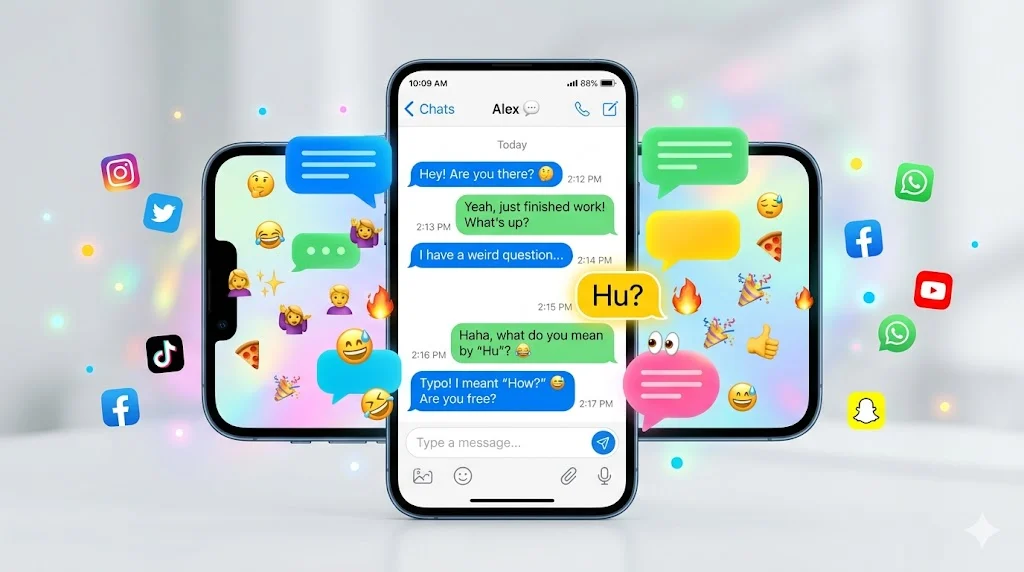
“Hu” is an informal shorthand used in texting and online communication, most commonly meaning “who?” a quick way to ask for clarification about a person or identity. It can also have alternative meanings depending on context, tone or cultural usage.
Ever received a text that simply says “hu?” and felt confused about what the sender meant? You’re not alone. In today’s fast-paced digital conversations, short abbreviations like “hu” pop up everywhere from texting and social media to casual chats and their meanings can vary depending on context.
Understanding what “hu” means can save you from awkward misunderstandings and help you respond appropriately in different situations.
What Does “Hu” Mean in Texting?
In most everyday conversations, “hu” = “who?”
It’s a shortened, casual way of asking:
- Who are you talking about?
- Who is this?
- Who did that?
Example:
- Friend: “I saw Ali yesterday.”
- You: “Hu?”
👉 Meaning: “Who are you talking about?”
Because texting is all about speed and convenience, people often drop vowels or shorten words and “hu” is a perfect example of that trend.
Origin and Popularity of “Hu”
📱 Where Did “Hu” Come From?
“Hu” likely emerged from:
- The habit of shortening words in SMS texting
- The rise of internet slang and abbreviations
- Typing shortcuts on mobile keyboards
It’s part of a broader trend that includes:
- “u” for you
- “r” for are
- “idk” for I don’t know
🌍 Why Is It Popular?
“Hu” became popular because it’s:
- Quick to type
- Easy to understand (in context)
- Common in casual chats
It’s especially used among:
- Teenagers and young adults
- Social media users
- Informal messaging environments
However, it’s not widely used in professional communication.
How “Hu” Is Used in Real Conversations
The meaning of “hu” depends heavily on tone and context. Let’s break it down.
1. Neutral Tone (Clarification)
Used to simply ask for more information.
- “Hu?”
- “Hu is that?”
- “Hu are you talking about?”
👉 Tone: Curious, neutral
2. Friendly Tone 😊
Used casually among friends.
- “Hu lol?”
- “Hu bro 😂”
👉 Tone: Lighthearted, playful
3. Dismissive or Confused Tone 😐
Sometimes “hu” can come off as:
- Disinterested
- Slightly rude
- Confused
- “Hu cares?”
- “Hu even asked?”
👉 Tone: Can feel blunt or dismissive depending on delivery
Example Table: Different Uses of “Hu”
| Situation | Example Message | Meaning | Tone |
| Asking for identity | “Hu is that?” | Who is that person? | Neutral |
| Clarifying context | “Hu?” | Who are you referring to? | Neutral |
| Casual chat | “Hu lol 😂” | Who? (playful tone) | Friendly |
| Confusion | “Hu even said that?” | Who said that? | Slightly sharp |
| Dismissive | “Hu cares?” | Who cares? | Negative |
Alternate Meanings of “Hu”
Although “hu” usually means “who,” it can have other meanings depending on context:
1. Name or Proper Noun
- “Hu” can be a surname, especially in Chinese culture.
- Example: “Mr. Hu”
2. Sound or Expression
Sometimes used as a sound:
- “Hu” (thinking sound, like “hmm”)
3. Cultural or Spiritual Meaning
In some traditions:
- “Hu” is a sacred sound used in meditation or chanting.
4. Typo or Misspelling
Sometimes “hu” is just a typo for:
- “hi”
- “he”
- “how”
“Hu” vs Similar Terms
Let’s compare “hu” with similar abbreviations to understand the difference:
| Term | Meaning | Usage Context | Formality |
| Hu | Who? | Casual texting | Informal |
| Who | Who? | All contexts | Formal & informal |
| Wym | What do you mean? | Texting | Informal |
| Idk | I don’t know | Texting | Informal |
| Huh | Expression of confusion | Spoken/text | Neutral |
Key Difference:
- “Hu” = shortcut spelling
- “Who” = proper spelling
When Should You Use “Hu”?
✅ Appropriate Situations
Use “hu” when:
- Texting friends or family
- Chatting casually online
- Sending quick messages
❌ Avoid Using “Hu” When:
- Writing emails
- Communicating professionally
- Talking to someone you don’t know well
Polite & Professional Alternatives
If you want to sound more respectful or clear, use:
- “Who are you referring to?”
- “Could you clarify who you mean?”
- “Who is that person?”
- “I’m not sure who you’re talking about.”
These alternatives are especially important in:
- Work environments
- Academic writing
- Formal conversations
Tips for Using “Hu” Correctly
- ✔ Always consider the tone
- ✔ Use only in casual settings
- ✔ Avoid overusing slang in serious conversations
- ✔ Be mindful it can sound blunt if used alone
👉 Tip: Adding emojis or extra words can soften the tone
Example: “Hu? 😅”
Real-Life Conversation Examples
Casual Chat
- A: “Met Sarah today”
- B: “Hu?”
👉 Meaning: Who?
Friendly Conversation
- A: “Someone likes you 😉”
- B: “Hu 😂”
Slightly Rude Response
- A: “You should listen to him”
- B: “Hu cares?”
Why Context Matters So Much
Unlike full words, abbreviations like “hu” rely heavily on context.
The same word can mean:
- Curiosity
- Confusion
- Disinterest
👉 Always read the conversation before interpreting the tone.
FAQs
1. What does “hu” mean in texting?
“Hu” usually means “who?” a short, informal way to ask about a person.
2. Is “hu” the same as “who”?
Yes, but “hu” is informal slang, while “who” is the correct spelling.
3. Is “hu” rude?
Not necessarily. It depends on tone. Used alone, it can sometimes sound blunt.
4. Can I use “hu” in professional messages?
No, it’s best to use “who” or a complete sentence in professional settings.
5. Why do people use “hu” instead of “who”?
To type faster and keep conversations casual.
6. Does “hu” have other meanings?
Yes, it can also be a name, a sound, or a spiritual term depending on context.
7. Is “hu” commonly used worldwide?
It’s mainly used in informal digital communication, especially among younger users.
8. How should I reply to “hu”?
Simply clarify the person:
- “Ali”
- “My cousin”
- “The teacher I told you about”
Conclusion
“Hu” might look confusing at first, but it’s actually a simple and widely used texting shortcut for “who.” Like many forms of internet slang, its meaning depends heavily on context and tone.
- “Hu” = informal way of saying “who?”
- Common in casual texting and social media
- Tone can be neutral, friendly, or dismissive
- Avoid in professional communication
- Always consider context before responding
By understanding how and when to use “hu,” you can communicate more effectively and avoid misunderstandings in your daily conversations.

Michael Anderson is a content writer specializing in word meanings, definitions and clear explanations of modern terms and phrases.