
Last Updated on June 9, 2026
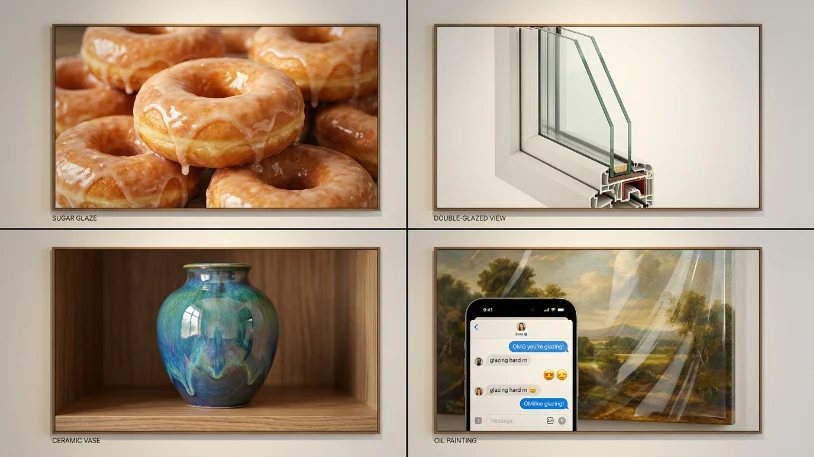
What does glazing mean? The meaning of glazing depends on context, but it generally refers to applying a smooth, glossy, or protective layer to a surface. In cooking, glazing adds a shiny coating to food. In construction, it means installing glass in windows. In ceramics and painting, glazing creates layered finishes. In slang, “glazing” describes excessive praise or over-complimenting someone.
You’ve probably seen the word glazing pop up in wildly different places. One minute it’s on a donut box. Next, it’s in a construction manual. Then suddenly, someone says it in a TikTok comment.
That’s where things get messy.
So let’s clear it up.
At its core, the definition of glazing revolves around one simple idea:
Glazing means applying a smooth, often shiny layer to a surface or metaphorically “coating” something.
However, context changes everything.
Sometimes it’s literal.
Sometimes it’s technical.
Sometimes it’s straight-up slang.
This guide breaks down every meaning of glazing, with real examples, clear explanations, and zero fluff.
Glazing Meaning in Simple Terms
Start with the simplest version.
Glazing explained in one sentence:
- It’s the act of adding a coating, layer, or finish to improve appearance, function, or texture.
That coating can be:
- Sweet and sticky
- Glass-like and hard
- Transparent and artistic
- Or even… verbal praise
Yes, really.
Quick Breakdown: Types of Glazing Across Contexts
| Context | Glazing Meaning | Purpose |
|---|---|---|
| Cooking | Shiny coating on food | Flavor and appearance |
| Construction | Installing glass in windows | Insulation and protection |
| Ceramics | Glass-like coating on pottery | Waterproofing and decoration |
| Painting | Transparent paint layering | Depth and color richness |
| Slang | Excessive praise | Social expression or sarcasm |
What Does Glazing Mean in Cooking?
Let’s start with the most familiar version.
Glazing in Cooking Explained
In food, glazing means applying a glossy coating to enhance both flavor and visual appeal.
It’s not just about looks though.
A good glaze transforms texture. It adds sweetness or depth. It locks in moisture.
Common Types of Food Glazes
You’ll see glazing everywhere in kitchens. Here are the most popular types:
Sweet Glazes
- Sugar glaze (donuts, pastries)
- Honey glaze (ham, carrots)
- Maple glaze (bacon, desserts)
Savory Glazes
- Teriyaki glaze
- Soy-based reductions
- Balsamic glaze
Why Chefs Use Glazing Techniques
Glazing isn’t random. It serves specific purposes:
- Enhances flavor intensity
- Creates a shiny, appetizing finish
- Seals moisture inside food
- Adds a slight crisp or sticky texture
Think about glazed donuts.
Without glaze, they look dull. With glaze, they shine. They almost glow under light.
That’s not an accident.
Glazing vs Icing: What’s the Difference?
This one trips people up.
| Feature | Glaze | Icing |
|---|---|---|
| Texture | Thin and runny | Thick and creamy |
| Finish | Shiny | Matte or fluffy |
| Use | Light coating | Heavy topping |
Example:
A donut uses glaze.
A cupcake uses icing.
Simple Glazing Example
A basic sugar glaze includes:
- Powdered sugar
- Milk or water
- Vanilla extract
Mix it. Pour it. Let it set.
That’s glazing in action.
What Does Glazing Mean in Construction and Windows?
Now we shift gears.
In construction, glazing has nothing to do with food.
Instead, it refers to glass installation.
Glazing Definition in Construction
Window glazing means fitting glass into a window frame.
That’s it. Simple on the surface.
But under the hood, it gets technical fast.
Types of Window Glazing
Modern buildings rely on different glazing systems:
Single Glazing
- One layer of glass
- Minimal insulation
- Rare in modern homes
Double Glazing
- Two glass panes with air gap
- Better insulation
- Reduces energy loss
Triple Glazing
- Three layers of glass
- Maximum insulation
- Used in extreme climates
Why Glazing Matters in Buildings
Good glazing changes everything inside a building.
Here’s what it impacts:
- Energy efficiency
- Noise reduction
- Indoor temperature control
- Security and durability
A poorly glazed window leaks heat. It increases bills. It makes rooms uncomfortable.
A well-glazed window does the opposite.
Advanced Glazing Technologies
Modern glazing goes beyond basic glass.
Low-E Glass (Low Emissivity)
- Reflects heat back inside
- Improves insulation
Tempered Glass
- Stronger than regular glass
- Breaks safely
Laminated Glass
- Holds together when shattered
- Used in safety applications
Glazing Materials Used in Construction
- Silicone sealants
- Putty compounds
- Rubber gaskets
- Metal frames
Each material plays a role in sealing and securing the glass.
What Does Glazing Mean in Ceramics and Pottery?
Now we move into craftsmanship.
Ceramic Glazing Explained
In pottery, glazing means coating clay with a liquid that turns into glass when fired.
It’s both science and art.
What Happens During the Glazing Process
Here’s the process in simple steps:
- Apply glaze mixture
- Let it dry
- Fire in a kiln at high temperature
During firing, the glaze melts. It bonds with the clay.
The result?
A smooth, glass-like surface.
Types of Ceramic Glaze
By Finish
- Glossy
- Matte
- Satin
By Transparency
- Transparent
- Opaque
- Semi-transparent
By Color
- Natural tones
- Bright pigments
- Reactive finishes
Why Glazing Is Essential in Pottery
Glazing does more than decorate.
It:
- Makes pottery waterproof
- Strengthens the surface
- Adds color and texture
- Prevents absorption of liquids
Without glaze, many ceramics remain porous.
Real-World Example
A clay mug without glaze will absorb water.
A glazed mug?
It holds coffee without leaking.
That’s the difference.
What Does Glazing Mean in Painting?
Here’s a meaning many people overlook.
Glazing in Painting Explained
In art, glazing refers to applying thin, transparent layers of paint over a dried base layer.
It’s subtle. It’s controlled. It’s powerful.
Why Artists Use Glazing Techniques
Glazing allows artists to:
- Build depth
- Adjust color tones
- Create luminous effects
- Add realism
Instead of mixing colors directly, artists layer them.
That creates richer results.
How Paint Glazing Works
- Start with a base color
- Let it dry completely
- Apply a thin transparent layer
- Repeat if needed
Each layer shifts how light interacts with the painting.
Oil Painting Glazing Method
Oil painters rely heavily on glazing.
Why?
Because oil paints dry slowly and allow blending.
That makes layering smoother and more precise.
Simple Example
A portrait artist might:
- Paint skin tones
- Add a warm glaze
- Add a cool glaze
The result looks more lifelike.
What Does Glazing Mean in Slang? (Modern Internet Usage)
Now for the unexpected one.
Glazing Slang Meaning
In modern slang, glazing means overpraising someone excessively.
It often carries a negative tone.
What “Glazing Someone” Really Implies
When someone says:
- “He’s glazing him”
They mean:
- He’s praising too much
- He’s being biased
- He’s trying too hard
Where You’ll See This Slang
- TikTok comments
- YouTube replies
- Twitter/X threads
It spreads fast in online culture.
Example Sentences
- “Stop glazing him, he’s not that good.”
- “Bro is glazing hard right now.”
Tone and Context
Glazing slang is usually:
- Sarcastic
- Critical
- Slightly mocking
It’s rarely positive.
Why Does “Glazing” Have So Many Meanings?
Good question.
The answer lies in language evolution.
The Core Idea Behind Every Meaning
All definitions connect to one concept:
Applying a layer over something
That layer can be:
- Physical (food, glass, pottery)
- Visual (paint)
- Verbal (praise)
How Slang Borrowed the Term
Think about it.
When someone “glazes” another person, they:
- Coat them in praise
- Add a “shiny” layer of compliments
It’s metaphorical.
But it fits.
How to Identify the Correct Glazing Meaning
Context tells you everything.
Quick Context Guide
Ask yourself:
- Is it about food? → Cooking
- Is it about buildings? → Construction
- Is it about art or pottery? → Craft
- Is it about people talking? → Slang
Fast Decision Table
| Situation | Meaning of Glazing |
|---|---|
| Donuts or desserts | Food glazing |
| Windows or buildings | Construction glazing |
| Clay or ceramics | Pottery glazing |
| Paint layers | Artistic glazing |
| Social media comments | Slang glazing |
FAQs
Is glazing always shiny?
Most of the time, yes.
But in painting or slang, it’s more conceptual than visual.
What is the most common glazing definition?
For everyday people:
- Cooking meaning is most familiar
For professionals:
- Construction meaning is more common
Is glazing slang offensive?
Not really.
But it can sound dismissive or mocking depending on tone.
Related Terms You Should Know
Understanding glazing gets easier when you know related terms.
In Cooking
- Reduction
- Caramelization
- Icing
In Construction
- Insulation
- Sealant
- Frame installation
In Ceramics
- Kiln firing
- Slip
- Clay body
In Slang
- Overhyping
- Fanboying
- Bias
Final Thoughts
The word glazing carries more weight than it seems.
At first glance, it looks simple.
But dig deeper, and you find layers just like the word itself suggests.
Whether you’re:
- Coating a donut
- Installing a window
- Finishing pottery
- Painting a masterpiece
- Or calling someone out online
You’re still dealing with the same core idea.
A layer added on top.
Once you understand that, everything clicks. And next time you hear someone say “glazing,” you won’t hesitate. You’ll know exactly what they mean.

Sophia Bennett is a professional writer focused on explaining word meanings, expressions and everyday language in a simple and engaging way.