
Last Updated on June 8, 2026
Ozempic is a weekly injection that mimics a natural hormone called GLP-1. It lowers blood sugar, reduces appetite, slows digestion, and helps people with type 2 diabetes and obesity manage weight and glucose levels more effectively.
You’ve probably heard about Ozempic everywhere. It shows up in health discussions, social media, and even casual conversations about weight loss. Still, most people ask the same simple question:
What does Ozempic actually do?
At its core, Ozempic works as a GLP-1 receptor agonist, which means it mimics a hormone your body already produces. That hormone plays a major role in controlling blood sugar, hunger, and digestion.
But that’s just the surface.
When you take Ozempic, it doesn’t just affect one system. Instead, it quietly reshapes how your body responds to food, insulin, and energy. Over time, those changes add up. You eat less. Your blood sugar stabilizes. Your body starts working more efficiently.
That’s why Ozempic has become one of the most talked-about medications today.
What Happens in Your Body When You Take Ozempic
The real magic of Ozempic lies in how it interacts with multiple systems at once. It doesn’t force your body into change. Instead, it gently nudges your biology in a healthier direction.
Let’s break it down.
Ozempic and Appetite Suppression: Why You Feel Less Hungry
One of the first things people notice is this:
“I’m just not as hungry anymore.”
That’s not accidental.
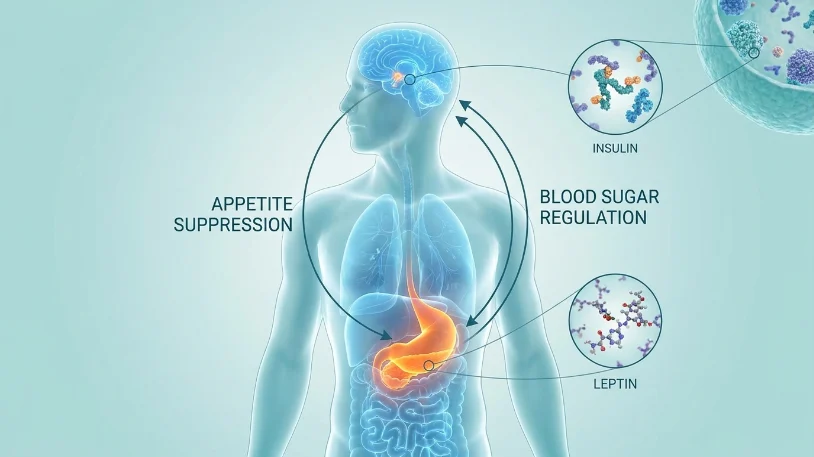
Ozempic interacts with appetite centers in your brain. Specifically, it targets areas that regulate hunger signals. As a result:
- You feel full sooner
- You stay satisfied longer
- You stop thinking about food constantly
This effect often gets described as reduced “food noise.”
What this looks like in real life:
- Skipping snacks without trying
- Eating smaller portions naturally
- Feeling satisfied after fewer bites
Instead of relying on willpower, your body starts doing the work for you.
Ozempic Slows Digestion (Gastric Emptying)
Another key mechanism is delayed gastric emptying.
In simple terms, food stays in your stomach longer.
Why that matters:
- You stay full longer after meals
- Blood sugar rises more slowly
- Cravings drop between meals
Think of it like this:
Your stomach becomes a slow-release system instead of a fast dump.
That steady pace makes a huge difference in how your body handles food.
Ozempic Improves Blood Sugar Control
This is where Ozempic shines for people with type 2 diabetes.
It helps regulate glucose in three major ways:
Key Effects on Blood Sugar
- Increases insulin secretion when blood sugar is high
- Reduces glucagon production, which prevents excess sugar release
- Stabilizes glucose levels throughout the day
Quick Breakdown Table
| Function | What Ozempic Does | Result |
|---|---|---|
| Insulin release | Boosts when needed | Lowers high blood sugar |
| Glucagon control | Reduces excess output | Prevents sugar spikes |
| Digestion speed | Slows down | Smooth glucose levels |
The result feels subtle day-to-day. However, over time, it dramatically improves metabolic health.
Ozempic Reduces Cravings and Emotional Eating
This effect surprises many users.
Ozempic doesn’t just reduce hunger. It also changes how you think about food.
Common experiences:
- Less desire for sugary foods
- Reduced emotional eating
- Fewer impulsive cravings
It’s almost like your brain turns down the volume on food-related urges.
Why Ozempic Causes Weight Loss
Here’s something important:
Ozempic doesn’t burn fat directly.
Instead, it creates conditions where weight loss happens naturally.
The Real Reason Behind Weight Loss
Weight loss with Ozempic comes from three combined effects:
- You eat fewer calories
- You stay full longer
- Your blood sugar stays stable
Simple Explanation
| Factor | Effect |
|---|---|
| Appetite suppression | Less food intake |
| Slower digestion | Longer fullness |
| Stable glucose | Fewer cravings |
Over time, this leads to a consistent calorie deficit without extreme dieting.
Why This Approach Works Better Than Dieting Alone
Traditional dieting often fails because:
- Hunger increases
- Cravings intensify
- Energy levels drop
Ozempic flips that script.
You’re not fighting your body.
You’re working with it.
Ozempic Uses: What Is Ozempic Used For?
Understanding ozempic uses clears up a lot of confusion.
Primary Use: Type 2 Diabetes
Ozempic is officially prescribed to:
- Improve blood sugar control
- Support insulin function
- Reduce long-term complications
Who benefits most:
- Adults with type 2 diabetes
- People with insulin resistance
- Patients struggling with glucose control
Secondary Use: Weight Management
While not originally designed as a weight loss drug, Ozempic plays a powerful role here.
Why doctors prescribe it for weight:
- Helps reduce calorie intake
- Supports long-term weight management
- Improves metabolic health
Cardiovascular Benefits
Ozempic also helps reduce the risk of:
- Heart attack
- Stroke
- Cardiovascular complications
That makes it more than just a diabetes medication.
How Fast Does Ozempic Work? Timeline and Results
You won’t see overnight changes. Still, progress builds steadily.
Expected Timeline
| Timeframe | What You Notice |
|---|---|
| Week 1–2 | Reduced appetite |
| Week 3–4 | Eating less naturally |
| Month 2–3 | Visible weight changes |
| Month 4+ | Consistent fat loss |
Key Insight
Weight loss happens gradually. That’s actually a good thing.
Slow progress:
- Protects muscle mass
- Improves sustainability
- Reduces rebound weight gain
What Ozempic Feels Like (Real Effects)
People often struggle to describe the experience. Still, a few patterns stand out.
Common Feelings
- You forget to snack
- Meals feel more filling
- Cravings fade quietly
- Hunger doesn’t control your day
Simple Analogy
It’s like your internal hunger dial gets turned down.
Ozempic Benefits Beyond Weight Loss
There’s more going on beneath the surface.
Metabolic Benefits
- Better insulin sensitivity
- Reduced blood sugar spikes
- Improved energy stability
Heart Health
- Lower cardiovascular risk
- Improved cholesterol markers
- Reduced inflammation
Kidney Protection
Emerging evidence shows improved kidney outcomes in some patients.
Ozempic Side Effects: What You Need to Know
No medication is perfect. Ozempic is no exception.
Common Side Effects
- Nausea
- Vomiting
- Diarrhea
- Constipation
These usually improve over time.
Less Common but Serious Risks
- Pancreatitis
- Gallbladder issues
- Thyroid concerns (rare cases)
Side Effects Table
| Type | Examples |
|---|---|
| Mild | Nausea, fatigue |
| Moderate | Digestive discomfort |
| Severe | Pancreatitis, gallbladder problems |
Ozempic Dosage and Administration
Ozempic comes as a weekly injection.
Typical Dosage Progression
- Start low to reduce side effects
- Gradually increase dose
- Maintain steady weekly schedule
Key Tips
- Inject on the same day each week
- Rotate injection sites
- Follow healthcare guidance closely
Ozempic vs Wegovy: What’s the Difference
Both medications contain the same active ingredient. Still, they serve different purposes.
Comparison Table
| Feature | Ozempic | Wegovy |
|---|---|---|
| Purpose | Diabetes | Weight loss |
| Dosage | Lower | Higher |
| Target users | Diabetics | Obesity patients |
What Happens When You Stop Taking Ozempic
This is where many people get caught off guard.
After Stopping
- Appetite returns
- Cravings increase
- Weight regain becomes possible
Why This Happens
Ozempic doesn’t permanently change your metabolism.
It works while you take it.
Key Takeaway
Ozempic is a tool, not a permanent fix.
Lifestyle habits still matter.
Ozempic Before and After Results
Results vary, but patterns remain consistent.
Typical Outcomes
- Steady weight loss over months
- Improved blood sugar control
- Better eating habits
Realistic Expectations
- Not instant
- Not effortless
- But highly effective over time
Ozempic Cost and Availability
Costs vary widely depending on region and insurance.
General Factors Affecting Cost
- Insurance coverage
- Prescription requirements
- Supply availability
Important Note
Demand has increased rapidly, which sometimes affects availability.
Is Ozempic Safe for Long-Term Use?
Long-term safety depends on individual factors.
Current Understanding
- Generally safe when prescribed properly
- Requires medical supervision
- Ongoing research continues
Best Practice
Always consult a healthcare provider for long-term use.
The Bottom Line: What Does Ozempic Really Do
Let’s simplify everything.
Ozempic Does Four Core Things
- Controls blood sugar
- Reduces appetite
- Slows digestion
- Supports weight loss
Final Thoughts
Ozempic doesn’t magically melt fat.
Instead, it reshapes how your body:
- Feels hunger
- Processes food
- Regulates energy
That shift changes everything.
- Weekly injection
- Helps diabetics control glucose
- Supports weight loss indirectly
- Reduces cravings and appetite
- Improves metabolic health

Michael Anderson is a content writer specializing in word meanings, definitions and clear explanations of modern terms and phrases.