Last Updated on June 8, 2026
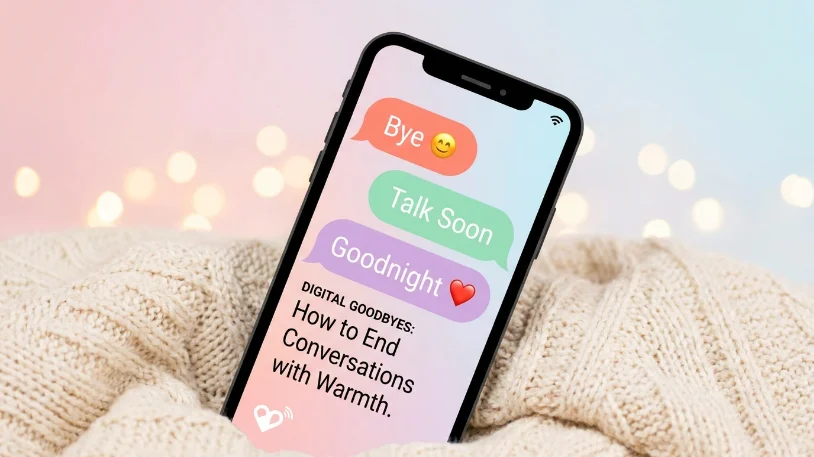
“Goodbye in text” refers to the different ways people end conversations through text messages, chats, social media, or online communication. It includes phrases like “bye,” “see you later,” “talk soon,” “gn,” or even emojis used to politely, casually, or emotionally end a conversation.
Text goodbyes can be:
- Friendly and affectionate
- Professional and polite
- Short and casual
- Cold or dismissive
- Emotional or dramatic
The tone depends heavily on wording, punctuation, timing, and relationship context.
Saying goodbye through text messages has become a daily part of modern communication. Whether you’re ending a casual chat, signing off professionally, or distancing yourself emotionally, the phrase “goodbye in text” can carry different meanings depending on tone, punctuation, emojis, and context.
In texting culture, even a simple “bye” can sound warm, cold, funny, awkward, or final. That’s why understanding how to say goodbye in text properly matters more than most people realize.
Origin of Text-Based Goodbyes
How Digital Communication Changed Farewells
Before smartphones and messaging apps, goodbyes mainly happened face-to-face, through letters, or phone calls. As texting became popular in the late 1990s and early 2000s, shorter forms of communication started replacing traditional sign-offs.
People began using:
- “bye”
- “cya”
- “ttyl”
- “gn”
- “brb”
- “later”
These shorthand expressions evolved because texting originally had character limits and slower typing systems.
Rise of Messaging Culture
Apps like:
- Facebook Messenger
- Snapchat
- Instagram DMs
- Discord
- Telegram
made texting more conversational and informal. Today, people rarely use formal endings in casual chats unless they intentionally want to sound serious or professional.
Why “Goodbye in Text” Matters
Text Tone Is Easy to Misread
Without facial expressions or voice tone, text messages rely on:
- punctuation
- capitalization
- emojis
- response timing
- wording choices
For example:
| Text Goodbye | Possible Tone |
|---|---|
| Bye | Neutral or slightly cold |
| Byeee 😊 | Friendly and warm |
| Goodnight ❤️ | Affectionate |
| K bye | Dismissive or annoyed |
| Talk later! | Positive and casual |
| Goodbye. | Serious or emotional |
A single period can completely change the emotional feel of a message.
Common Ways to Say Goodbye in Text
Casual and Friendly Goodbyes
Everyday Text Farewells
These are common between friends, classmates, coworkers, or casual acquaintances.
| Phrase | Tone | Best Use |
|---|---|---|
| Bye | Neutral | Everyday chats |
| Byee | Friendly | Casual conversations |
| See ya | Relaxed | Friends |
| Catch you later | Informal | Friendly chats |
| Talk soon | Warm | Ongoing conversations |
| ttyl | Casual abbreviation | Younger audiences |
| Later | Cool and relaxed | Informal texting |
| Goodnight | Caring | Evening conversations |
Examples in Context
Friendly Tone
- “Alright, byeee 😊”
- “Talk soon!”
- “Catch you later!”
- “Gn, sleep well 😴”
These sound warm and conversational.
Professional Ways to Say Goodbye in Text
Polite Text Endings for Work or Formal Chats
Professional conversations require respectful and clear sign-offs.
| Professional Goodbye | Tone |
|---|---|
| Thank you, have a great day | Polite |
| Looking forward to hearing from you | Professional |
| Take care | Friendly-professional |
| Best regards | Formal |
| Speak soon | Business casual |
| Have a good evening | Respectful |
Professional Example Messages
Work Chat Example
“Thanks for the update. Speak soon.”
Client Message Example
“Thank you for your time today. Have a great evening.”
Team Communication Example
“I’ll review the file tomorrow. Take care.”
Professional goodbyes should avoid slang unless workplace culture is very casual.
Emotional Meanings Behind Goodbye Texts
When Goodbye Feels Serious
Sometimes “goodbye” in text carries emotional weight.
Examples include:
- relationship endings
- friendship conflicts
- long-distance situations
- emotional farewells
Examples of Emotional Goodbye Texts
Sad or Final Tone
- “Goodbye. I wish you the best.”
- “Take care of yourself.”
- “I guess this is goodbye.”
- “Bye forever.”
These often indicate emotional distance or closure.
How Punctuation Changes Emotion
| Version | Interpretation |
|---|---|
| bye | Neutral |
| bye. | Cold or final |
| BYE | Loud or angry |
| byeeee | Excited or affectionate |
| bye lol | Playful |
| bye 😭 | Dramatic or joking sadness |
Popular Text Goodbye Abbreviations
Internet Slang and Shortcuts
Digital communication created many farewell abbreviations.
| Abbreviation | Meaning |
|---|---|
| ttyl | Talk to you later |
| brb | Be right back |
| gn | Good night |
| g2g | Got to go |
| cya | See you |
| tc | Take care |
| hmu | Hit me up |
| ily gn | I love you, goodnight |
Are Abbreviations Still Popular?
Yes, especially among:
- Gen Z users
- gamers
- online communities
- social media users
However, many adults now prefer full words because abbreviations can sometimes appear lazy or impersonal.
Goodbye Texts and Emoji Meanings
Emojis That Commonly Replace Goodbye
Sometimes people end conversations using only emojis.
| Emoji | Meaning |
|---|---|
| 👋 | Goodbye |
| 😊 | Friendly ending |
| ❤️ | Affectionate farewell |
| 😴 | Goodnight |
| ✌️ | Casual peace-out |
| 😂 | Funny sign-off |
| 😢 | Sad goodbye |
Example Goodbye Emoji Texts
- “Talk tomorrow 👋”
- “Gn ❤️”
- “Bye 😂”
- “Take care 😊”
Emojis soften tone and reduce misunderstandings.
Differences Between “Bye,” “Goodbye,” and “See You”
Comparing Similar Goodbye Terms
“Bye”
- Most common
- Casual
- Neutral tone
- Works in almost any situation
Example:
“Okay bye!”
“Goodbye”
- More formal or emotional
- Can sound serious
- Sometimes used during major endings
Example:
“Goodbye, and thank you for everything.”
“See You”
- Suggests future interaction
- More positive
- Less final
Example:
“See you tomorrow!”
Comparison Table
| Term | Formality | Emotional Weight | Common Usage |
|---|---|---|---|
| Bye | Casual | Low | Everyday texting |
| Goodbye | Formal/Emotional | High | Serious conversations |
| See you | Casual-positive | Medium | Friends/work |
| Take care | Warm-professional | Medium | Respectful chats |
| Later | Informal | Low | Friends |
When a Goodbye Text Sounds Rude
Common Mistakes
Some text goodbyes unintentionally sound cold.
Potentially Rude Examples
- “k bye”
- “bye.”
- “whatever bye”
- “ok”
- Leaving on read immediately after
Why Tone Matters
Short responses without warmth can seem:
- annoyed
- dismissive
- passive-aggressive
- emotionally distant
Adding even small touches helps:
- emojis
- exclamation marks
- friendly wording
Example:
Instead of:
“bye.”
Try:
“Bye! Talk later 😊”
Funny and Playful Goodbye Texts
Humorous Sign-Off Ideas
People often use creative goodbyes to sound entertaining.
Examples:
- “Adios amigo 😂”
- “Peace out”
- “I vanish now”
- “Logging off like a potato”
- “May the Wi-Fi be with you”
- “I disappear into the void 👻”
These work best with close friends.
Romantic Goodbye Texts
Sweet Ways to End Conversations
Romantic text goodbyes usually sound softer and more affectionate.
Examples:
- “Goodnight babe ❤️”
- “Sleep well 😊”
- “Miss you already”
- “Talk tomorrow love”
- “Can’t wait to text you again”
Why Romantic Goodbyes Matter
In relationships, goodbye texts help maintain:
- emotional connection
- reassurance
- affection
- intimacy
Even short messages can strengthen communication.
Cultural Differences in Text Goodbyes
Different Communication Styles
Not every culture uses text goodbyes the same way.
For example:
- Some cultures prefer direct endings.
- Others use longer polite closings.
- Younger users often rely heavily on emojis and slang.
- Older professionals may prefer full sentences.
Formal vs Informal Expectations
In some workplaces:
“Bye” may sound too casual.
Instead, people use:
- “Best regards”
- “Thank you”
- “Take care”
Understanding context is important.
Alternate Meanings of Goodbye in Text
Literal Goodbye Messages
Most commonly, “goodbye in text” simply means how to say farewell through messaging.
Symbolic or Emotional Meaning
Sometimes it refers to:
- breakup texts
- ending friendships
- final conversations
- closure messages
Literary or Creative Use
The phrase may also appear in:
- song lyrics
- movie titles
- poems
- emotional storytelling
Best Polite Alternatives to “Goodbye”
Friendly Alternatives
Casual Replacements
- Talk later
- Catch you soon
- See ya
- Have a good one
- Later!
Warm Alternatives
- Take care
- Stay safe
- Sleep well
- Have a great day
Professional Alternatives
Business-Friendly Options
| Alternative | Best Situation |
|---|---|
| Best regards | Emails |
| Have a great day | Clients |
| Speak soon | Colleagues |
| Thank you again | Professional follow-up |
| Looking forward to hearing from you | Formal communication |
How to Choose the Right Goodbye Text
Think About the Relationship
Ask yourself:
- Is this casual or formal?
- Do I want warmth or distance?
- Am I ending the conversation temporarily or permanently?
Match the Conversation Tone
If the chat was playful:
Use something fun.
If the discussion was serious:
Use respectful wording.
Use Emojis Carefully
Emojis can improve friendliness but may appear unprofessional in work settings.
Example Goodbye Texts for Different Situations
Labeled Example Table
| Situation | Example Text | Tone |
|---|---|---|
| Friend | “Byeee 😂 talk tomorrow!” | Fun |
| Romantic | “Goodnight ❤️” | Affectionate |
| Professional | “Thank you. Speak soon.” | Respectful |
| Annoyed | “k bye” | Dismissive |
| Emotional | “Goodbye. Take care of yourself.” | Serious |
| Casual | “Later 👋” | Relaxed |
| Family | “Drive safe!” | Caring |
| Gaming Chat | “ggs cya later” | Informal |
Psychology Behind Text Goodbyes
Why People Analyze Goodbye Messages
Humans naturally search for emotional meaning in communication.
That’s why people overthink:
- periods
- delayed replies
- short responses
- missing emojis
Example:
“bye”
feels very different from:
“bye ❤️”
Digital Communication and Anxiety
Modern texting culture sometimes creates uncertainty because tone isn’t always obvious.
This leads people to wonder:
- “Are they mad?”
- “Why did they sound cold?”
- “Was that goodbye serious?”
Adding clarity helps prevent misunderstandings.
FAQs
What does “goodbye” mean in texting?
In texting, “goodbye” means ending a conversation digitally through messages, chats, or online communication. The tone depends on wording, punctuation, and context.
Is “bye” rude in a text?
Not usually. “Bye” is neutral and common. However, very short replies or punctuation like “bye.” can sometimes seem cold.
What is the best professional goodbye text?
Professional options include:
- “Speak soon”
- “Best regards”
- “Take care”
- “Thank you, have a great day”
What does “k bye” mean?
“K bye” is often interpreted as dismissive, annoyed, sarcastic, or uninterested depending on context.
Why do people use emojis in goodbye texts?
Emojis soften tone, add emotion, and help avoid misunderstandings in digital communication.
What is a cute goodbye text?
Cute examples include:
- “Sleep well ❤️”
- “Talk tomorrow 😊”
- “Miss you already”
Is “goodbye” more serious than “bye”?
Yes. “Goodbye” often sounds more formal, emotional, or final compared to casual “bye.”
What are popular texting abbreviations for goodbye?
Common abbreviations include:
- ttyl
- gn
- cya
- g2g
- tc
Conclusion
The way people say goodbye in text messages has evolved into its own form of communication. A simple farewell can express warmth, affection, professionalism, humor, annoyance or emotional closure depending on how it’s written.
Understanding text goodbye meanings helps improve communication and avoid misunderstandings in personal, social, and professional conversations.
Key things to remember:
- Tone matters more than words alone.
- Emojis and punctuation change meaning.
- Casual and professional settings require different styles.
- “Goodbye” often sounds more emotional than “bye.”
- Friendly wording creates better digital interactions.
Whether you’re texting friends, coworkers, family, or someone special, choosing the right goodbye message helps conversations end naturally and positively.

Michael Anderson is a content writer specializing in word meanings, definitions and clear explanations of modern terms and phrases.