Last Updated on May 6, 2026
“TM” in texting most commonly means “Trust Me.” It’s used to reassure someone, emphasize a point, or add confidence to a statement. However, depending on context, “TM” can also stand for “Text Message,” “Too Much,” or even “Trademark (™)” when used formally.
Why “TM” Is Everywhere in Texts
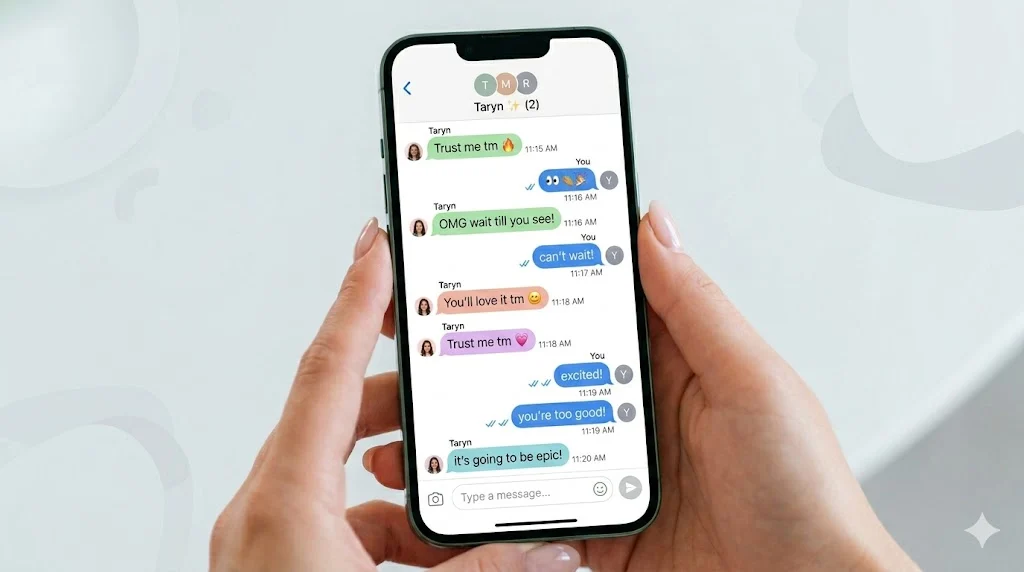
If you’ve ever received a message like:
- “Just try it, tm.”
- “It’s gonna work tm.”
- “Don’t worry tm 😌”
you might’ve paused and wondered what does “TM” actually mean?
Here’s the thing:
👉 Like many texting abbreviations, TM is short, flexible, and context-driven.
In today’s fast-moving digital conversations, people prefer quick expressions that still carry emotion and meaning. “TM” fits perfectly into that style simple, confident, and easy to type.
In this complete guide, you’ll learn:
- The full meaning of TM in texting
- How to use it naturally
- Real-life examples with tone
- Alternate meanings
- When to use (and avoid) it
Let’s break it down step by step.
What Does TM Mean in Texting?
Primary Meaning
TM = Trust Me
This is the most common slang meaning in casual conversations.
Simple Translation
| Slang | Full Meaning | Example |
| TM | Trust Me | “It’s worth it tm” |
What It Expresses
When someone uses “TM,” they’re usually trying to:
- Reassure you
- Show confidence
- Convince you
- Emphasize certainty
Quick Example
- “Watch this movie tm”
👉 Translation: “Trust me, watch this movie.”
Origin and Popularity of TM
Where Did TM Come From?
The abbreviation “TM” has existed for a long time, originally meaning:
- Trademark (™) in legal and business contexts
However, in texting culture, it evolved into slang for “Trust Me.”
How It Became Popular
- Rise of instant messaging apps
- Need for shorter, faster replies
- Influence of social media language
Platforms where TM is commonly used:
- Snapchat
- Instagram DMs
- TikTok comments
Why People Love Using TM
- Quick to type
- Adds confidence to messages
- Feels casual and relatable
- Works in many situations
How TM Is Used in Real Conversations
TM is mainly used to add confidence and reassurance.
1. Giving Advice
- “Try this restaurant tm”
👉 Meaning: It’s really good trust me.
2. Reassuring Someone
- “It’ll be fine tm 😌”
👉 Meaning: Don’t worry.
3. Persuading or Convincing
- “Just do it tm”
👉 Meaning: You won’t regret it.
4. Emphasizing Confidence
- “You’ll pass tm”
👉 Meaning: I’m sure you will succeed.
Tone and Context: What TM Feels Like
Tone plays a big role in how “TM” is understood.
Tone Breakdown Table
| Tone Type | Example | Meaning |
| Friendly 😊 | “You’ll love it tm” | Supportive |
| Encouraging 💪 | “You got this tm” | Motivational |
| Confident 🔥 | “It’s the best tm” | Strong belief |
| Casual 👍 | “Just go tm” | Relaxed suggestion |
| Slightly Pushy 😅 | “Do it tm” | Mild pressure |
Tone Tip
👉 Adding emojis softens the tone:
- “You’ll be fine tm 😌” → reassuring
- “You’ll be fine tm.” → more serious
Real-Life Examples of TM in Texting
Friendly Conversation
- “You should try that place tm 😄”
Encouragement
- “Don’t stress, you’ll pass tm 💯”
Casual Suggestion
- “Watch that show tm”
Slight Pressure
- “Just text her tm bro”
Example Table: TM in Different Situations
| Situation | Example | Meaning | Tone |
| Advice | “Go there tm” | Trust me, go | Confident |
| Reassurance | “It’s okay tm” | Don’t worry | Comforting |
| Motivation | “You can do it tm” | Believe in yourself | Encouraging |
| Suggestion | “Try it tm” | You’ll like it | Casual |
| Persuasion | “Buy it tm” | It’s worth it | Convincing |
When Should You Use TM?
✅ Use TM When:
- Talking to friends
- Giving advice
- Encouraging someone
- Making casual recommendations
❌ Avoid TM When:
- Writing professional emails
- Speaking formally
- Communicating with clients
- Writing academic content
TM vs Similar Slang Terms
Here’s how TM compares to other abbreviations:
| Slang | Meaning | Use Case |
| TM | Trust Me | Confidence/reassurance |
| FR | For Real | Emphasizing truth |
| NGL | Not Gonna Lie | Honest opinion |
| IMO | In My Opinion | Personal view |
| ISTG | I Swear To God | Strong emphasis |
TM vs FR
- TM → asks you to believe
- FR → confirms something is true
Example:
- “It’s good tm”
- “It’s good fr”
Alternate Meanings of TM
While “Trust Me” is the most common meaning in texting, TM can have other meanings.
1. Trademark (™)
Used in branding or business:
- “Nike™ logo”
2. Text Message
- “Send me a tm later”
3. Too Much
- “This drama is tm 😩”
4. Tomorrow
- “Let’s meet tm”
👉 Important:
Always rely on context to understand the correct meaning.
Polite and Professional Alternatives
In formal situations, replace “TM” with full expressions.
Instead of “Trust me tm”
- “You can rely on this.”
- “I strongly recommend it.”
- “I assure you this will work.”
Example Conversions
- “It’s good tm” → “It’s really good, I highly recommend it.”
- “You’ll pass tm” → “I’m confident you’ll succeed.”
Common Mistakes to Avoid
❌ Using TM Without Clarity
Not everyone knows slang your message may confuse others.
❌ Using TM in Formal Contexts
Avoid in:
- Emails
- Work chats
- Reports
❌ Misinterpreting Meaning
TM doesn’t always mean “Trust Me” context matters.
Tips for Using TM Naturally
- Use it in casual chats
- Pair it with supportive messages
- Add emojis for friendliness 😊
- Don’t overuse it
- Make sure the context is clear
FAQs
1. What does TM mean in texting?
It usually means “Trust Me.”
2. Is TM the same as trademark?
Not in texting TM usually means “Trust Me” in chats.
3. Can TM mean tomorrow?
Yes, in some contexts, but it’s less common.
4. Is TM formal or informal?
It is informal and used in casual conversations.
5. How do you reply to TM?
You can agree or respond normally:
- “Alright, I trust you 😄”
6. Is TM rude?
No, it’s generally friendly and supportive.
7. Where is TM commonly used?
On social media, texting apps, and online chats.
8. Should I use TM at work?
No, use full phrases in professional communication.
Conclusion
TM is a simple yet powerful abbreviation that adds confidence and reassurance to conversations.
- TM most commonly means “Trust Me”
- It’s used to reassure, encourage, or persuade
- Tone depends on context and emojis
- Best used in casual conversations
- Avoid in formal or professional settings
👉 Final Tip:
Use “TM” when you want to sound confident and supportive but always make sure your message is clear and fits the situation.

Sophia Bennett is a professional writer focused on explaining word meanings, expressions and everyday language in a simple and engaging way.